SEO in 2026 doesn’t look like SEO from even three years ago. Search results pages are dominated by AI Overviews, zero-click answers are the norm, and Google’s ranking systems weigh signals that didn’t exist in a traditional checklist. Ranking well still matters — but the definition of “ranking well” has changed. Here’s what actually drives visibility this year.
Search Intent Precision Beats Keyword Volume
Chasing high-volume keywords is a losing strategy when search itself has fragmented into dozens of micro-intents. Google’s systems are far better at matching content to the specific question behind a query than they were even two years ago. Winning content in 2026 maps tightly to one clear intent per page rather than trying to rank broadly for a topic cluster with a single generic asset. Granular intent mapping — and content built to answer that exact intent completely — consistently outperforms thin pages built around volume alone.
E-E-A-T Is No Longer Optional, It’s Foundational
Experience, Expertise, Authoritativeness, and Trust have moved from a “nice to have” ranking signal to a baseline requirement, especially in YMYL (Your Money or Your Life) categories like finance, health, and legal content. Author bios with verifiable credentials, original data or first-hand experience, and clear editorial ownership are now table stakes. Generic, unattributed content — even if technically well-optimized — struggles to compete against content that visibly demonstrates real expertise.
Technical Health Still Determines Whether You’re Even in the Race
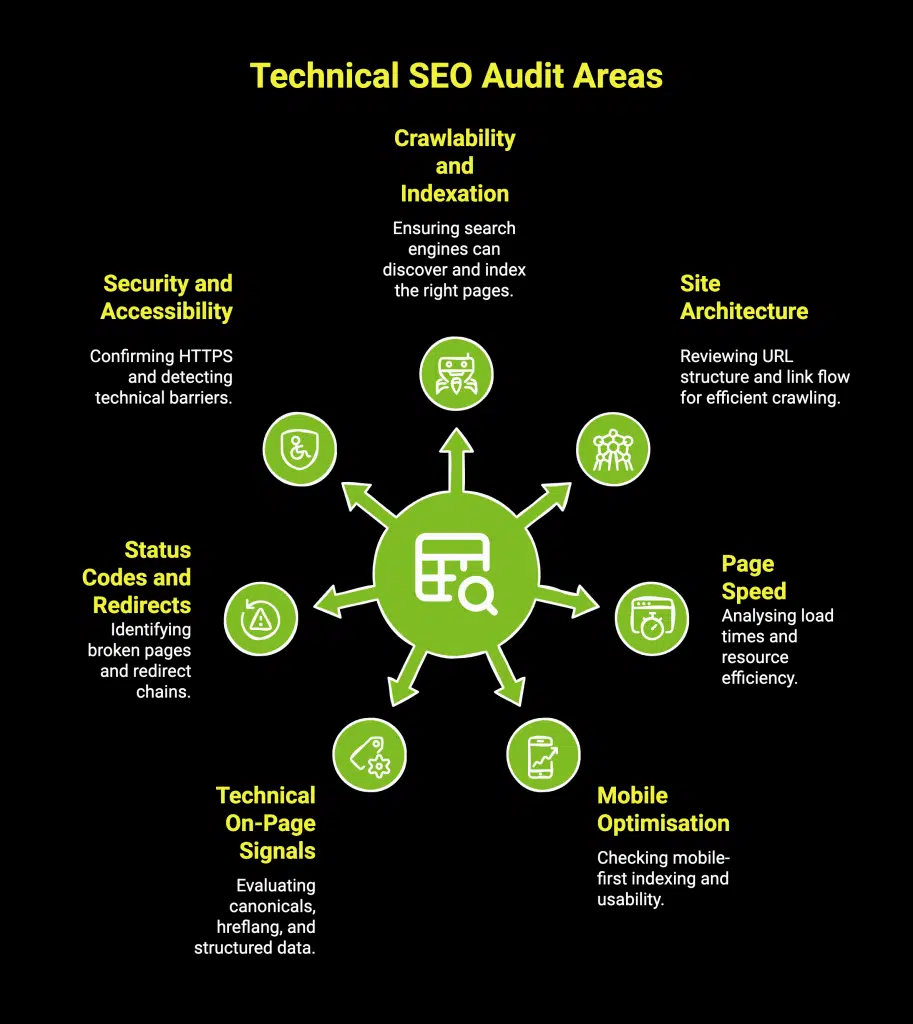
Core Web Vitals, crawlability, and clean site architecture haven’t gone away — if anything, they matter more, because AI crawlers and traditional Googlebot both need to efficiently access and parse your content. JavaScript-heavy sites and single-page applications remain a common failure point, quietly excluding pages from both classic indexing and newer AI-driven discovery. A technically broken site limits everything else you do, no matter how strong the content strategy is.
Structured Data Is Now a Visibility Multiplier
Schema markup has shifted from a minor enhancement to a core visibility lever. FAQ schema, HowTo markup, and clear entity definition via structured data help search engines — and increasingly, generative AI systems — understand and extract your content accurately. Sites with clean, consistent structured data are simply easier for machines to trust and cite, which compounds across both traditional SERPs and AI-generated answers.
Content Depth and Consolidation Over Volume
Publishing more thin pages is a declining strategy. In 2026, consolidating overlapping content into fewer, deeper, more comprehensive resources tends to outperform a scattered content calendar. Search systems reward pages that fully resolve a topic — reducing the need for a searcher (or an AI system) to look elsewhere.
The Bottom Line
SEO in 2026 rewards precision over volume, demonstrated expertise over generic authority, and technical cleanliness as a prerequisite rather than a bonus. The brands winning right now aren’t doing something radically new — they’re doing the fundamentals with far more rigor, at a level of intent-matching and credibility that older SEO playbooks never required.
No responses yet